Total: €0,00
Taxes and shipping calculated at checkout

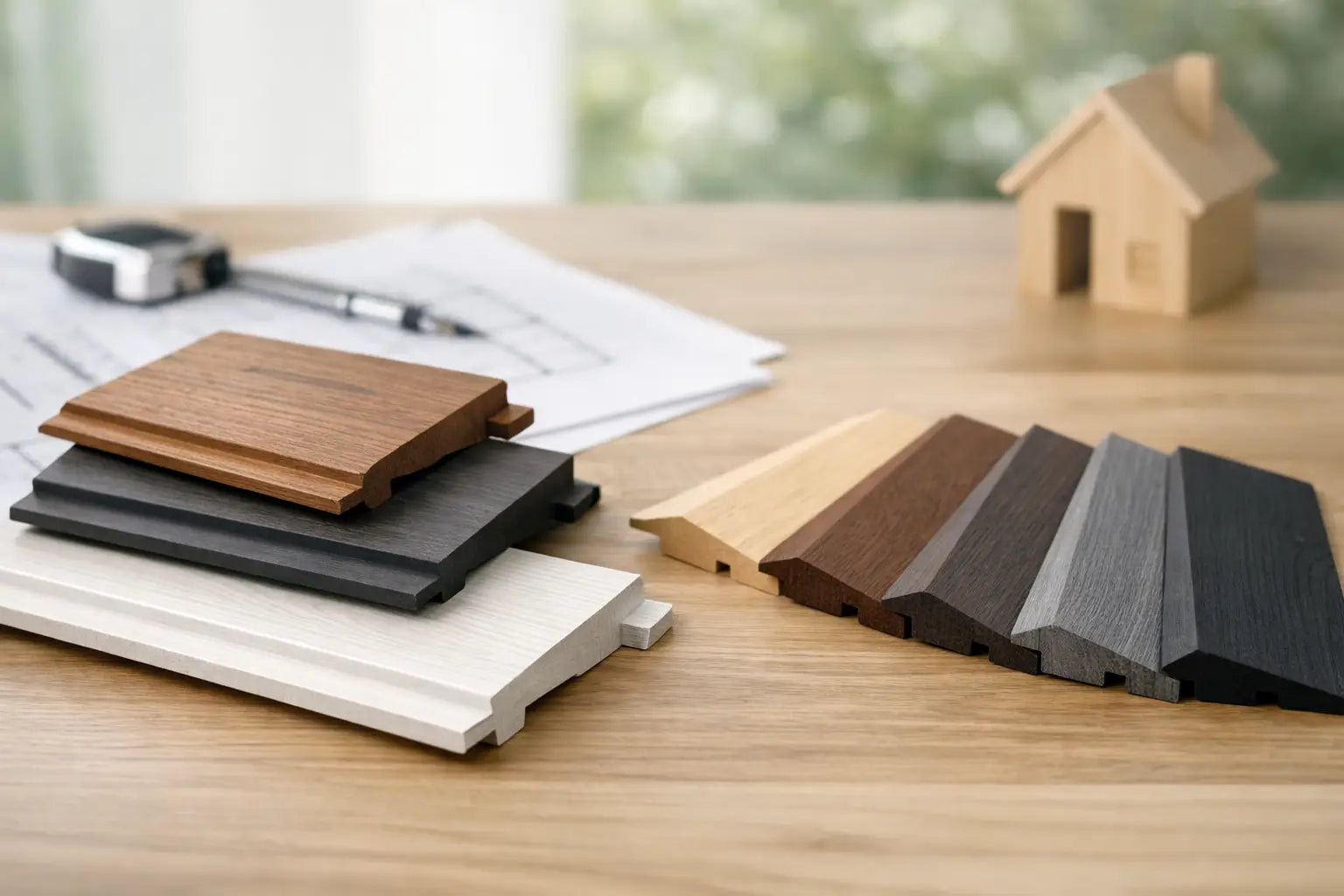
Een strak gevelbeeld valt of staat niet alleen met het rabatdeel zelf. Juist het profiel erachter - of eromheen - bepaalt of een wandbekleding er afgewerkt en duurzaam uitziet, of na korte tijd kleine irritaties laat zien zoals kieren, werking of een rommelige hoekafwerking. Deze gids voor rabatprofielen kiezen helpt je daarom niet alleen bij de look, maar vooral bij een slimme keuze die montage en levensduur direct verbetert.
Wie rabatprofielen te snel kiest, merkt dat meestal pas tijdens het monteren. Een buitenhoek sluit net niet mooi aan, een startprofiel past niet logisch bij de plankdikte, of de kleur werkt tegen in plaats van mee. Dat kost tijd op de bouwplaats en doet af aan het eindresultaat. Voor doe-het-zelvers is dat frustrerend. Voor vakmensen is het simpelweg verlies van tempo en marge.
Rabatprofielen doen meer dan onderdelen aan elkaar verbinden. Ze zorgen voor een strakke start, nette overgangen en een verzorgde afwerking van randen, hoeken en aansluitingen. Daarnaast helpen ze om het systeem technisch kloppend te maken. Zeker bij composiet rabatdelen wil je dat alles op elkaar is afgestemd, zodat het geheel stabiel blijft en visueel rustig oogt.
Bij gevelbekleding en wandafwerking zie je vaak dat de panelen veel aandacht krijgen, terwijl de profielen pas later worden gekozen. Dat is precies de verkeerde volgorde. Profielen bepalen namelijk hoe eenvoudig je monteert, hoeveel zaagwerk nodig is en hoe professioneel het eindbeeld wordt. Een goede keuze voorkomt improvisatie.
De juiste keuze begint altijd bij de plek waar je het systeem gebruikt. Een buitengevel vraagt iets anders dan een accentwand onder een overkapping of een interieurtoepassing. Buiten spelen vocht, temperatuurverschillen en UV-belasting een grotere rol. Binnen draait het vaker om uitstraling, maatvoering en een strakke aansluiting op andere materialen.
Voor buitenprojecten is het slim om te kiezen voor profielen die specifiek zijn afgestemd op composiet rabatdelen en weersinvloeden. Denk aan startprofielen die een stabiele basis geven, eindprofielen voor een nette afsluiting en hoekprofielen die ook na seizoenswisselingen mooi blijven aansluiten. Bij binnenwanden kun je vaak iets meer sturen op design, maar ook daar geldt dat een profiel het verschil maakt tussen een snelle oplossing en een echt afgewerkt resultaat.
Werk je aan een complete gevel of een grotere wand, dan loont het om vooraf het hele profielplan uit te tekenen. Waar begin je, waar eindig je, welke hoeken moeten zichtbaar strak blijven en waar komt een aansluiting op kozijn, deur of dakrand? Dat voorkomt losse keuzes per detail en zorgt voor een consistenter eindresultaat.
Niet elk profiel past technisch goed bij elk rabatdeel. Dat klinkt logisch, maar in de praktijk wordt dit vaak onderschat. De dikte van het paneel, de vorm van de verbinding en de manier waarop het materiaal uitzet of krimpt moeten op elkaar aansluiten. Kies je een profiel dat net niet klopt, dan krijg je spanning in de montage of juist een slappe afwerking.
Bij composiet systemen is compatibiliteit extra belangrijk. Composiet combineert een luxe houtlook met weinig onderhoud en hoge weerbestendigheid, maar het materiaal vraagt wel om profielen die daarvoor bedoeld zijn. Een passend systeem werkt sneller, oogt strakker en geeft meer zekerheid op de lange termijn. Voor zowel particuliere projecten als professionele montage is dat gewoon de slimste route.
Aluminium of composiet profielen zijn vaak de meest logische keuze bij moderne rabatsystemen. Aluminium biedt een strakke, stabiele basis en blijft visueel sterk in minimalistische ontwerpen. Composiet kan juist mooi meekleuren met de delen zelf. Welke optie beter is, hangt af van de gewenste uitstraling, zichtlijnen en belastbaarheid van de toepassing.
In de meeste projecten kom je uit op een combinatie van startprofielen, eindprofielen en hoekprofielen. Het startprofiel bepaalt hoe netjes de eerste rij staat en hoeveel stabiliteit je onderin hebt. Het eindprofiel zorgt voor een verzorgde afronding aan de bovenzijde of zijkant. Hoekprofielen zijn onmisbaar voor een professionele overgang op buitenhoeken en soms ook binnenhoeken.
Daarnaast zijn er afwerkprofielen voor aansluitingen rond kozijnen, deuren of andere onderbrekingen. Juist die details maken een project rustig om naar te kijken. Een gevel of wand kan nog zo mooi bekleed zijn, als de aansluitingen rommelig ogen, voelt het eindresultaat minder hoogwaardig.
Voor grotere of meer zichtbare oppervlakken is het slim om vooraf te bepalen welke profielen in het zicht blijven en welke juist zoveel mogelijk wegvallen. Dat heeft invloed op kleurkeuze, profielvorm en montagevolgorde.
Een goed startprofiel helpt je direct aan een rechte, stabiele basis. Dat klinkt eenvoudig, maar hier wordt veel kwaliteit gewonnen. Als de eerste lijn niet klopt, blijft dat zichtbaar in de rest van de wand. Een passend eindprofiel voorkomt vervolgens een onafgewerkt slotstuk en beschermt de rand tegen een rommelige overgang.
Hoeken trekken altijd aandacht. Daarom moet een hoekprofiel niet alleen technisch kloppen, maar ook visueel passen bij de stijl van het project. Strakke moderne gevels vragen meestal om een minimalistische hoekafwerking met rustige lijnen. Bij warmere ontwerpen mag het profiel iets meer aanwezig zijn, zolang het kleurbeeld consistent blijft.
Rabatprofielen mogen functioneel zijn, maar ze zijn ook zichtbaar onderdeel van het design. Een kleur die net afwijkt van de rabatdelen kan storend werken, zeker bij grote gevelvlakken. Daarom is het verstandig om niet alleen op productfoto's te vertrouwen, maar het totaalbeeld te beoordelen: kleur, glansgraad en hoe het profiel zich verhoudt tot kozijnen, deuren en trim.
Een ton-sur-ton afwerking geeft meestal het rustigste resultaat. Het profiel valt dan minder op en de wand of gevel oogt als één geheel. Contrasterende profielen kunnen juist sterk werken in een modern ontwerp, maar vragen meer precisie. Dan moet de lijnvoering echt perfect zijn, anders legt het contrast iedere kleine afwijking bloot.
Zwart, antraciet en andere donkere tinten blijven populair omdat ze goed passen bij moderne bouwstijlen. Houttinten en warm grijs zijn weer interessant als je een zachtere, natuurlijke look wilt zonder het onderhoud van echt hout. Het draait uiteindelijk om balans tussen design en praktische toepasbaarheid.
Voor vakmensen telt montagetijd direct mee in de projectprijs. Voor doe-het-zelvers telt vooral gebruiksgemak. In beide gevallen geldt hetzelfde: profielen die logisch aansluiten op het systeem besparen werk. Je wilt geen onnodig paswerk, twijfel over bevestiging of extra correcties tijdens montage.
Kijk daarom niet alleen naar het profiel op zich, maar naar de complete verwerking. Hoe start je? Hoe werk je een hoek af? Hoeveel tolerantie heb je nodig voor werking van het materiaal? En blijft het geheel ook netjes als de temperatuur verandert? Dat zijn praktische vragen die vooraf beantwoord moeten zijn, niet pas op de montagedag.
Een compleet systeem met op elkaar afgestemde rabatdelen en profielen geeft hier een duidelijk voordeel. Het beperkt verrassingen, versnelt de verwerking en levert meestal een netter eindbeeld op. Dat is precies waarom veel klanten kiezen voor onderhoudsarme composiet oplossingen in plaats van losse materialen combineren.
De meest voorkomende fout is kiezen op basis van alleen prijs. Een goedkoop profiel dat niet mooi aansluit, kost uiteindelijk meer door extra montagetijd, een minder strak resultaat of snellere vervanging. Een tweede fout is te laat bestellen. Profielen worden nog wel eens gezien als accessoire, terwijl ze essentieel zijn voor de opbouw van het systeem.
Ook wordt de zichtbaarheid vaak verkeerd ingeschat. Een profiel dat op papier klein lijkt, kan op een grote gevel juist behoorlijk opvallen. Daarom moet je al vroeg bepalen welke rol het profiel visueel krijgt. Wegvallen of accent geven - beide kunnen goed zijn, zolang de keuze bewust is.
Tot slot gaat het vaak mis bij hoeken en aansluitingen rondom kozijnen. Dat zijn precies de plekken waar maatvoering en profielkeuze samenkomen. Wie daar vooraf scherp in plant, voorkomt de meeste correcties achteraf.
Begin met het type project, bepaal daarna het rabatdeel en kies vervolgens de profielen als onderdeel van hetzelfde systeem. Kijk naar materiaal, profielvorm, kleur en montagewijze in die volgorde. Zo voorkom je dat uitstraling en techniek elkaar tegenwerken.
Vraag jezelf ook af hoe zichtbaar de afwerking wordt en hoeveel onderhoudsvrij gemak je op lange termijn wilt. Voor de meeste moderne gevel- en wandprojecten is een composiet systeem met bijpassende profielen de meest efficiënte keuze: strak in uitstraling, sterk in gebruik en ontworpen voor een lange levensduur. Dat is precies het type oplossing waar WPC Solutions sterk in is.
Wie rabatprofielen slim kiest, koopt geen detail maar rust in het hele project. Een nette lijn, een sterke afwerking en minder gedoe tijdens montage leveren vaak meer op dan de panelen alleen ooit kunnen doen.