Total: €0,00
Taxes and shipping calculated at checkout

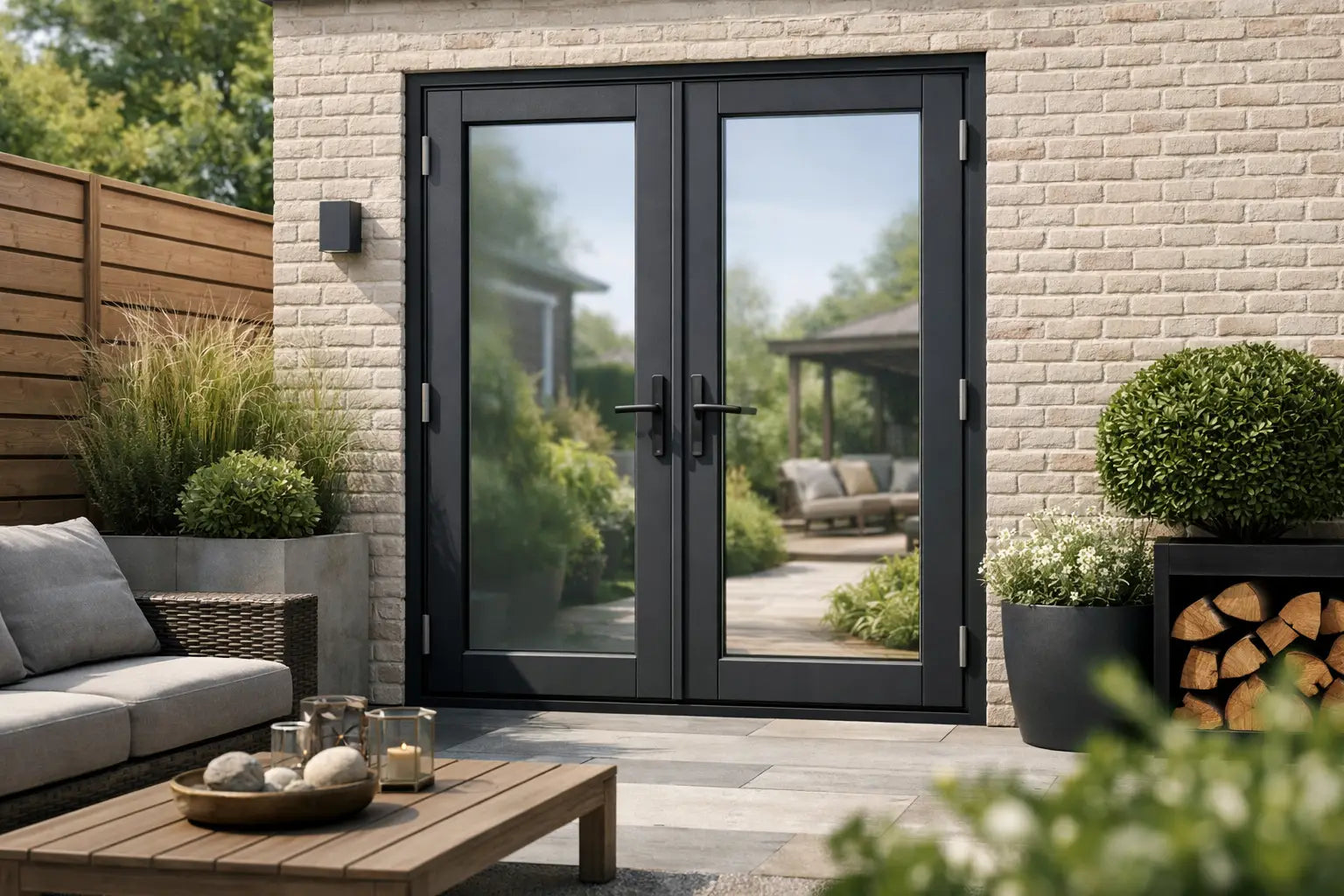
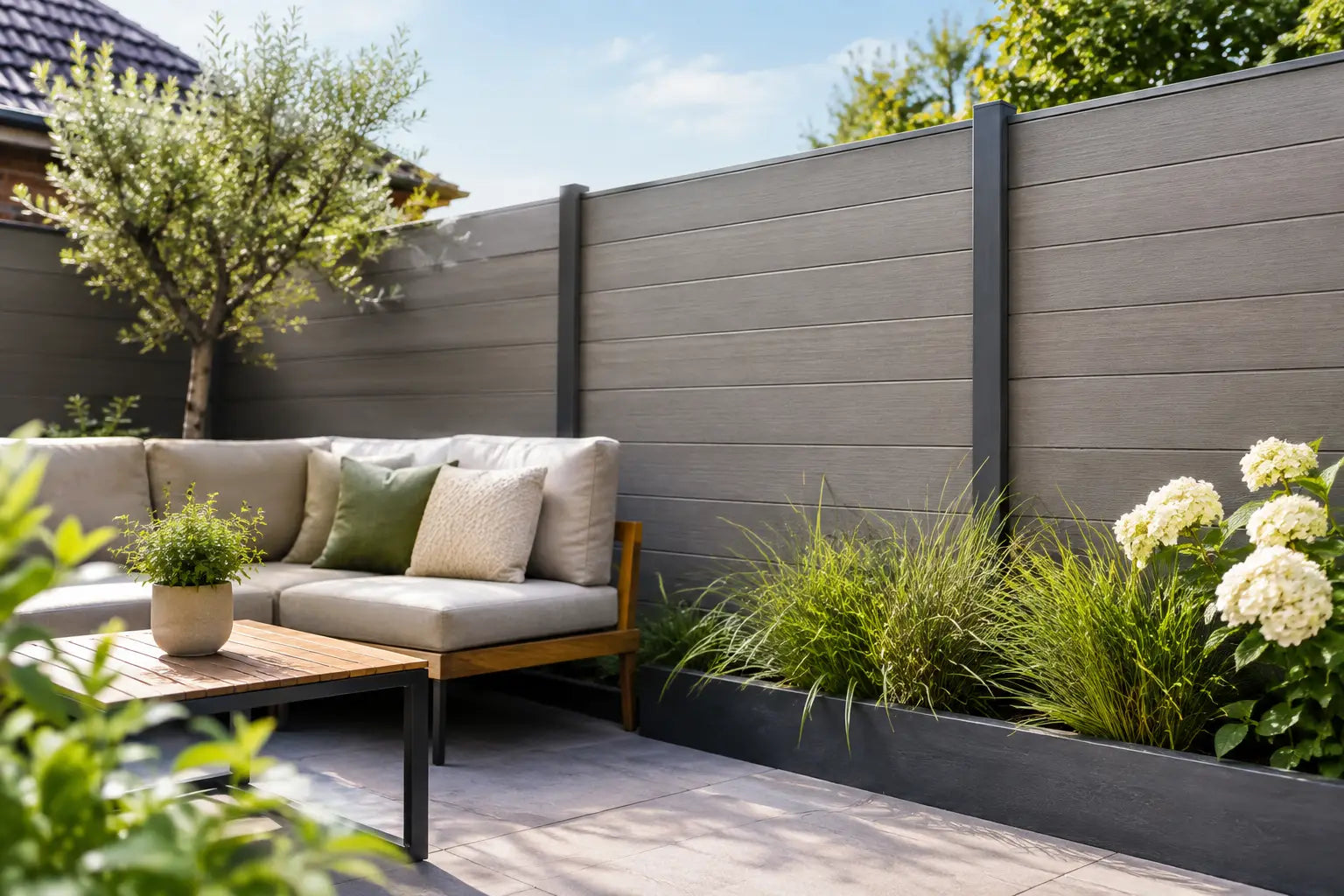
A garden gate is often the most frequently used part of a fence. This is precisely where you quickly notice the difference between a tidy boundary and a gate that jams, discolors, or sags. Those looking for the best composite garden gates 2026, therefore, don't just choose by color. The right combination of composite, frame, dimensions, and hardware determines how neat your garden will still look in five or ten years.
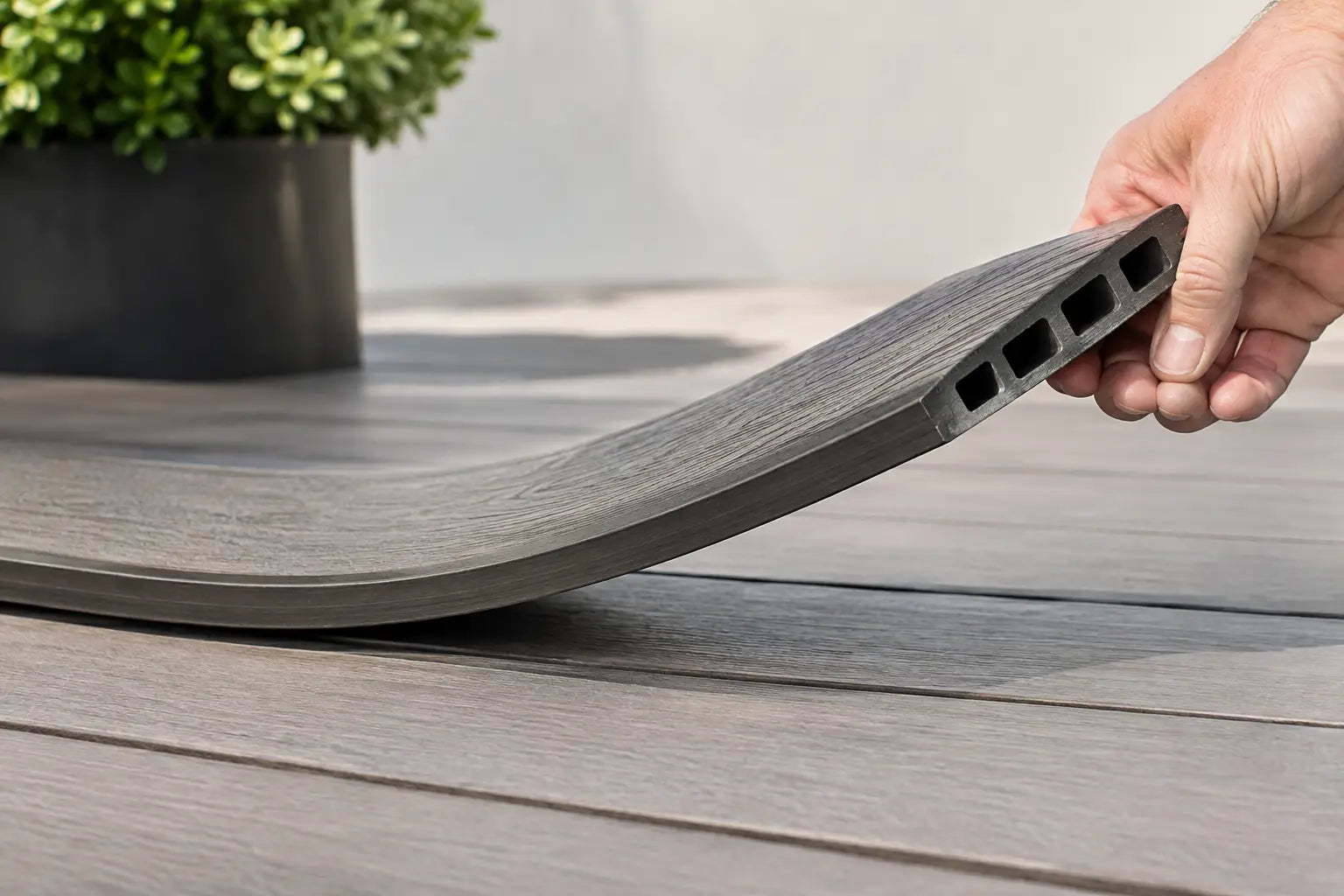
For modern gardens, new-build projects, and low-maintenance renovations, composite is a logical choice. It offers the warm look of wood, but without annual sanding, staining, or varnishing. However, not every composite garden gate is the same. The construction behind the visible parts, in particular, deserves attention.
A quality composite garden gate must do more than just close off an opening. It must withstand daily use, match the fence, and remain stable in sun, rain, frost, and temperature fluctuations. This starts with a sturdy frame. Composite panels provide the aesthetic, while a metal or aluminum frame keeps the gate dimensionally stable.
Preferably choose a gate with a fully framed structure and robust adjustable hinges and locks. A loose gate made only of planks might look fine at first, but with a wide opening or intensive use, it is more likely to sag. Especially in regions with hot summers, heavy rain, or significant temperature fluctuations, this extra stability is not a luxury.
The finish also matters. Straight lines, equal spacing, and colorfast composite panels give a fencing project the calm, modern appearance for which composite is chosen. A garden gate that perfectly aligns with the planks and posts prevents the opening from feeling like a separate element in the design.
The best choice depends on your opening, use, and desired style. A narrow gate next to a house has different requirements than a wide access for containers, garden tools, or professional maintenance. Therefore, compare these components before ordering.
A steel frame is strong and typically a practical choice for standard garden gates. An aluminum frame is lighter and corrosion-resistant, which can be attractive in humid environments. More important than the material alone is the overall construction: check that the corners are well connected, that the composite panels are properly mounted, and that the gate has sufficient support for the chosen width.
For a gate that is frequently opened, an adjustable system is a clear added value. This allows you to correct small differences in installation or natural movement of the ground without having to reinstall the entire gate.
Always measure the clear opening at multiple points. Posts can deviate slightly, and paving is not always completely level. Use the smallest measured width as a starting point and allow space for hinges, lock plate, and any adjustment room.
Also, determine in advance which way the gate should open. A gate that swings inwards takes up space in the garden. An outward-swinging gate may be more practical, but it should not block a path, driveway, or public passage. Furthermore, consider the position of the handle: choose an opening direction that works logically when you walk from the house or from the street to the garden.
A beautiful composite gate immediately loses value if the handle feels loose or the lock doesn't close properly. Opt for a cylinder lock with a sturdy handle and a strike plate that fits neatly against the opposing post. For a back entrance or side access, security is often essential, not only for privacy but also for peace of mind when bicycles, tools, or garden furniture are outside.
Also look at the hinges. Adjustable hinges make installation easier and help to readjust the gate. For a heavier or wider gate, multiple strong hinges are needed to distribute the load properly.
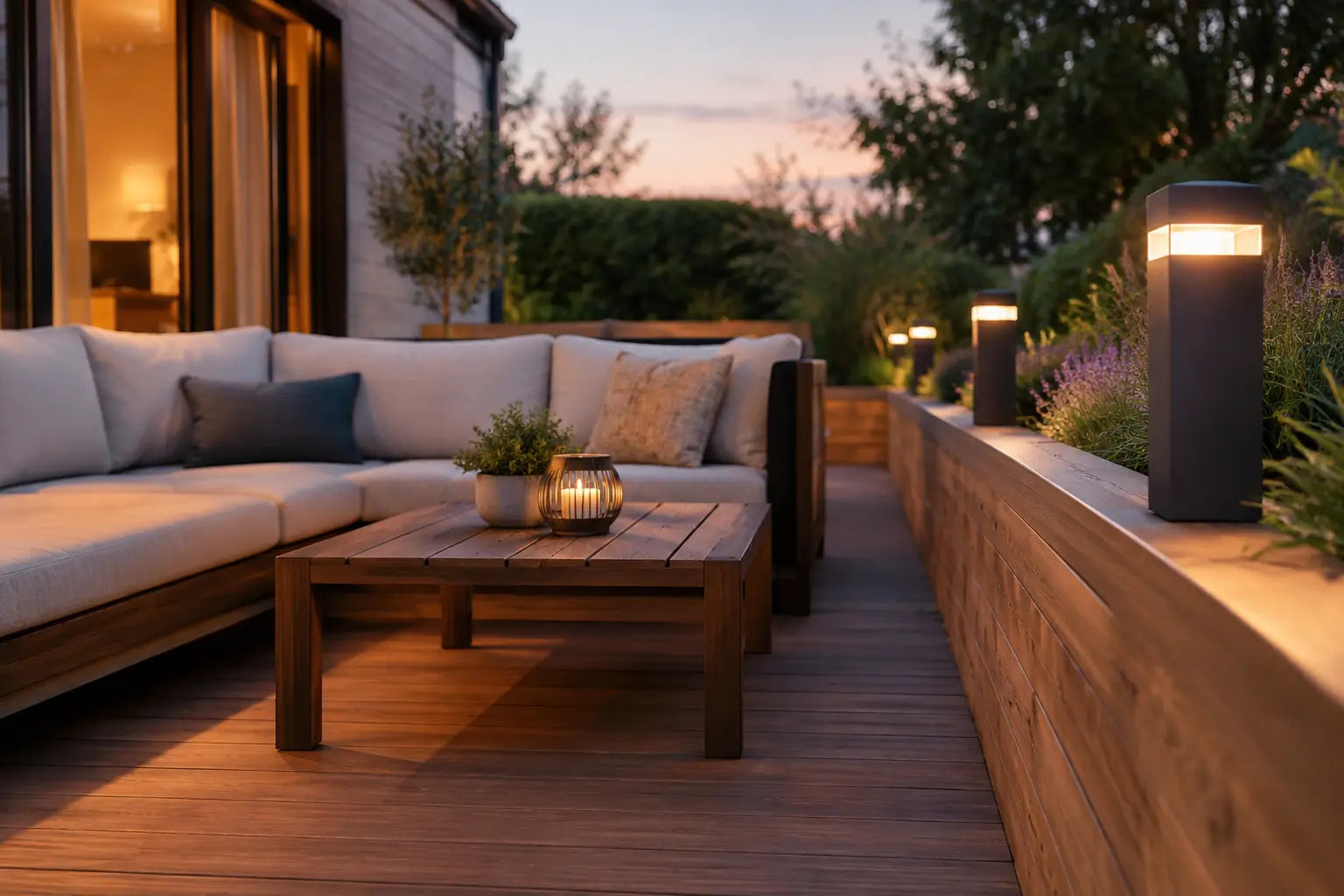
Anthracite, black, teak-like brown tones, and natural grey tones remain popular choices because they blend well with modern facades, paving, and outdoor lighting. The best color is not necessarily the darkest or most trendy color, but the shade that is reflected in your fence, window frames, and patio.
A horizontal plank direction looks wide and sleek, while vertical lines can give a more classic character. Preferably choose a gate from the same system as your fence. This ensures that the plank profile, color, spacing, and finish logically align.