Total: €0,00
Taxes and shipping calculated at checkout

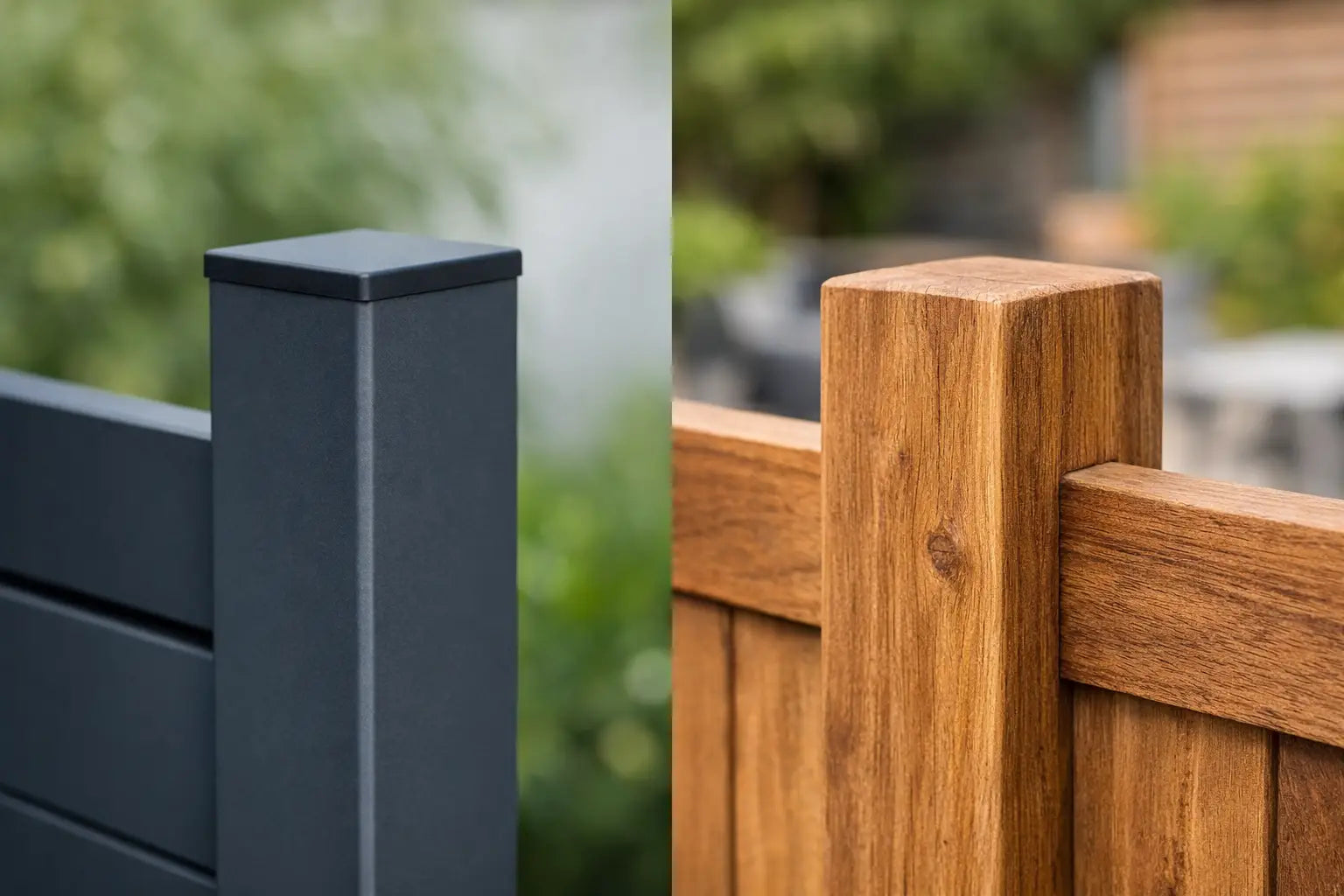
Een schutting die na een paar winters kromtrekt, een deck dat elk voorjaar opnieuw moet worden behandeld of gevelhout dat verkleurt: het zijn precies de onderhoudsklussen die veel huiseigenaren willen vermijden. Hoe lang gaat composiet mee? Bij een goed gekozen en correct gemonteerd composietsysteem mag u doorgaans rekenen op 20 tot 30 jaar gebruik. In gunstige omstandigheden kan dat nog langer zijn.
Dat maakt composiet geen materiaal dat u blind koopt en vervolgens vergeet. De kwaliteit van de plank, de opbouw van het systeem, de montage en het klimaat rond uw woning bepalen samen het resultaat. Wie daar vanaf het begin rekening mee houdt, kiest voor een strak afgewerkt oppervlak dat jarenlang zijn functie en uitstraling behoudt.
Composiet is een samengesteld materiaal van houtvezels en kunststof. Die combinatie geeft het de warme, natuurlijke uitstraling van hout en maakt het tegelijk veel beter bestand tegen vocht, insecten en dagelijks gebruik. Anders dan onbehandeld hout rot composiet niet zomaar weg en hoeft het niet jaarlijks te worden geschuurd, gebeitst of geolied.
Voor composiet schuttingen, vlonders en rabatdelen ligt de praktische levensduur vaak tussen de 20 en 30 jaar. Premium, co-extruded composiet met een beschermende buitenlaag presteert in veel situaties nog langer. Die buitenlaag helpt tegen vochtopname, vlekken, uv-straling en lichte krassen.
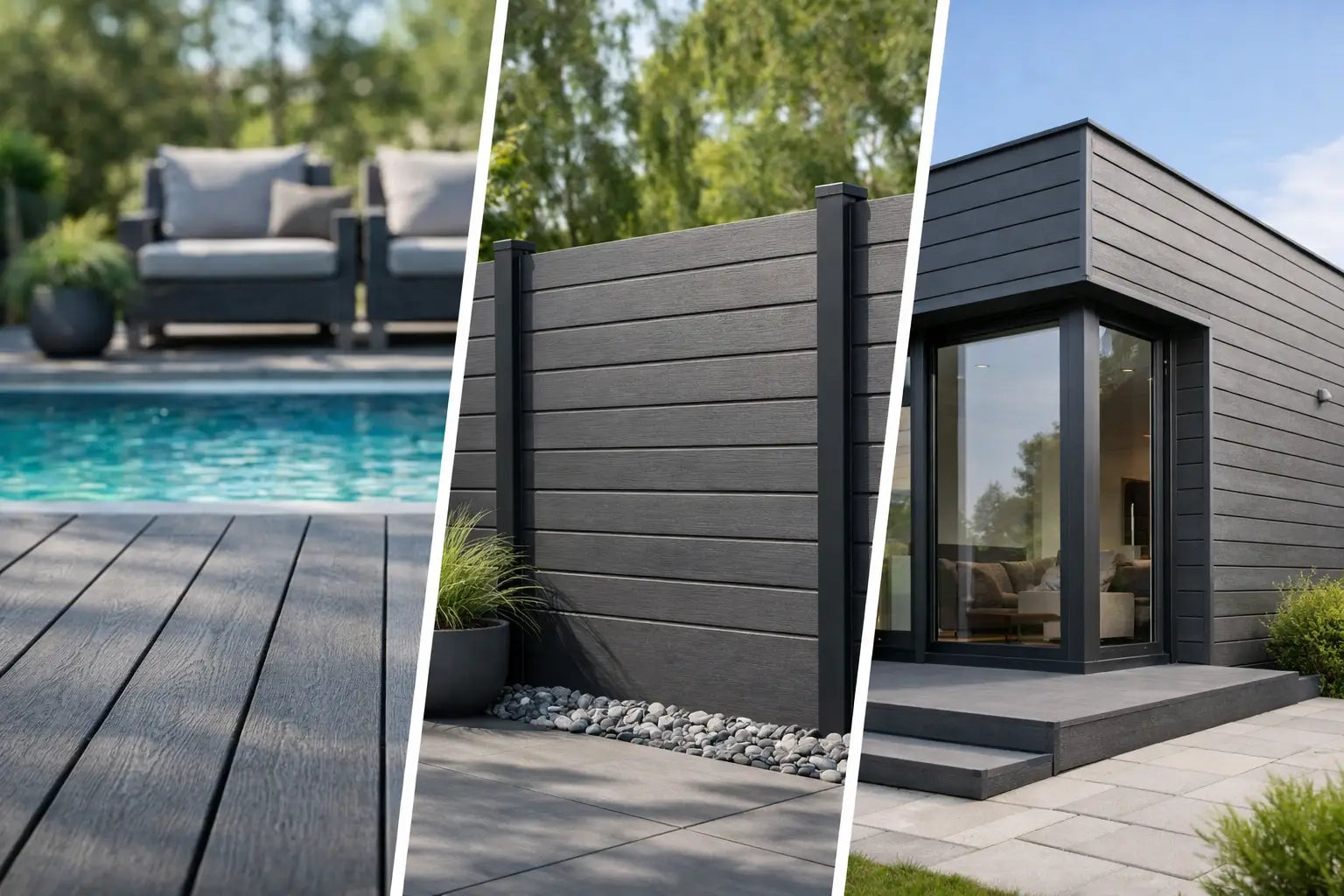
De toepassing maakt verschil. Een schutting staat grotendeels stil en krijgt vooral te maken met zon, regen en wind. Een vlonder verwerkt daarnaast veel meer belasting: voetverkeer, tuinmeubels, vallende takken, zand onder schoenen en soms sneeuw of ijs. Gevelbekleding heeft juist te maken met sterke temperatuurverschillen en een goede ventilatie achter de delen. Daarom moet ieder systeem passen bij zijn eigen toepassing - niet elke composietplank is geschikt als deckplank of geveldeel.
Een composiet schutting is een sterke keuze voor een erfafscheiding die privacy geeft zonder terugkerend schilderwerk. Omdat de planken niet direct worden belopen, blijft schade door gebruik beperkt. Bij een stabiele constructie met passende palen, profielen en voldoende ruimte voor uitzetting kan een schutting probleemloos 25 jaar of langer meegaan.
De grootste winst zit in het complete systeem. Losse planken combineren met palen of bevestigingsmaterialen die niet voor composiet zijn ontworpen, kan beweging, doorbuiging of een rommelige afwerking veroorzaken. Een compleet schuttingpakket zorgt ervoor dat de maatvoering en bevestiging op elkaar aansluiten. Dat oogt niet alleen strakker, maar helpt ook om de levensduur te beschermen.
Een composiet deck of vlonder krijgt meer te verduren en vraagt daarom om een extra zorgvuldige onderbouw. De planken zelf zijn sterk, maar stilstaand water onder de vlonder, een te kleine balkafstand of onvoldoende ventilatie kan de hele constructie onnodig belasten.
Gebruik voor een vlonder altijd geschikte onderregels en clips. Houd rekening met afwatering, een vlakke ondergrond en de voorgeschreven tussenruimte tussen de planken. Composiet zet bij warmte iets uit en krimpt bij kou. Die werking is normaal, zolang de planken voldoende ruimte krijgen. Worden ze te strak gemonteerd, dan kan spanning ontstaan met kromtrekken of opbolling als gevolg.
In Amerikaanse regio's met hete zomers, zware regenval, vorst of grote temperatuurschommelingen is die montageruimte nog relevanter. Kies in zulke omstandigheden voor een systeem dat aantoonbaar geschikt is voor buitengebruik en volg de montagevoorschriften nauwkeurig.
Rabatdelen van composiet geven een gevel, overkapping of buitenwand een moderne houtlook zonder de onderhoudsdruk van traditioneel gevelhout. De verwachte levensduur ligt vaak rond 25 tot 30 jaar, mits de delen op een geventileerde achterconstructie worden geplaatst.
Ventilatie is hier geen detail. Een open ruimte achter de bekleding laat vocht afvoeren en helpt de temperatuur achter de gevel stabieler te houden. Ook de juiste start- en eindprofielen, bevestigingspunten en uitzettingsruimte zijn bepalend. Een strak gemonteerde composietgevel blijft mooier en voorkomt dat vocht zich ophoopt waar het niet hoort.
De term composiet zegt niet alles over de kwaliteit. Twee planken kunnen aan de buitenkant vergelijkbaar lijken, terwijl de samenstelling, wanddikte, beschermlaag en kleurvastheid sterk verschillen. Bij een investering voor tientallen jaren loont het om verder te kijken dan alleen de prijs per plank.
Een beschermende co-extrusielaag biedt bijvoorbeeld extra weerstand tegen verkleuring, vuil en vocht. Dat betekent niet dat de kleur nooit verandert. Vrijwel elk buitenmateriaal reageert in zekere mate op zonlicht. Bij kwalitatief composiet blijft die verandering meestal beperkt en gelijkmatig, vooral na de eerste periode buiten. Een plank onder een overkapping kan daardoor iets anders ogen dan een plank die de hele dag in volle zon ligt.
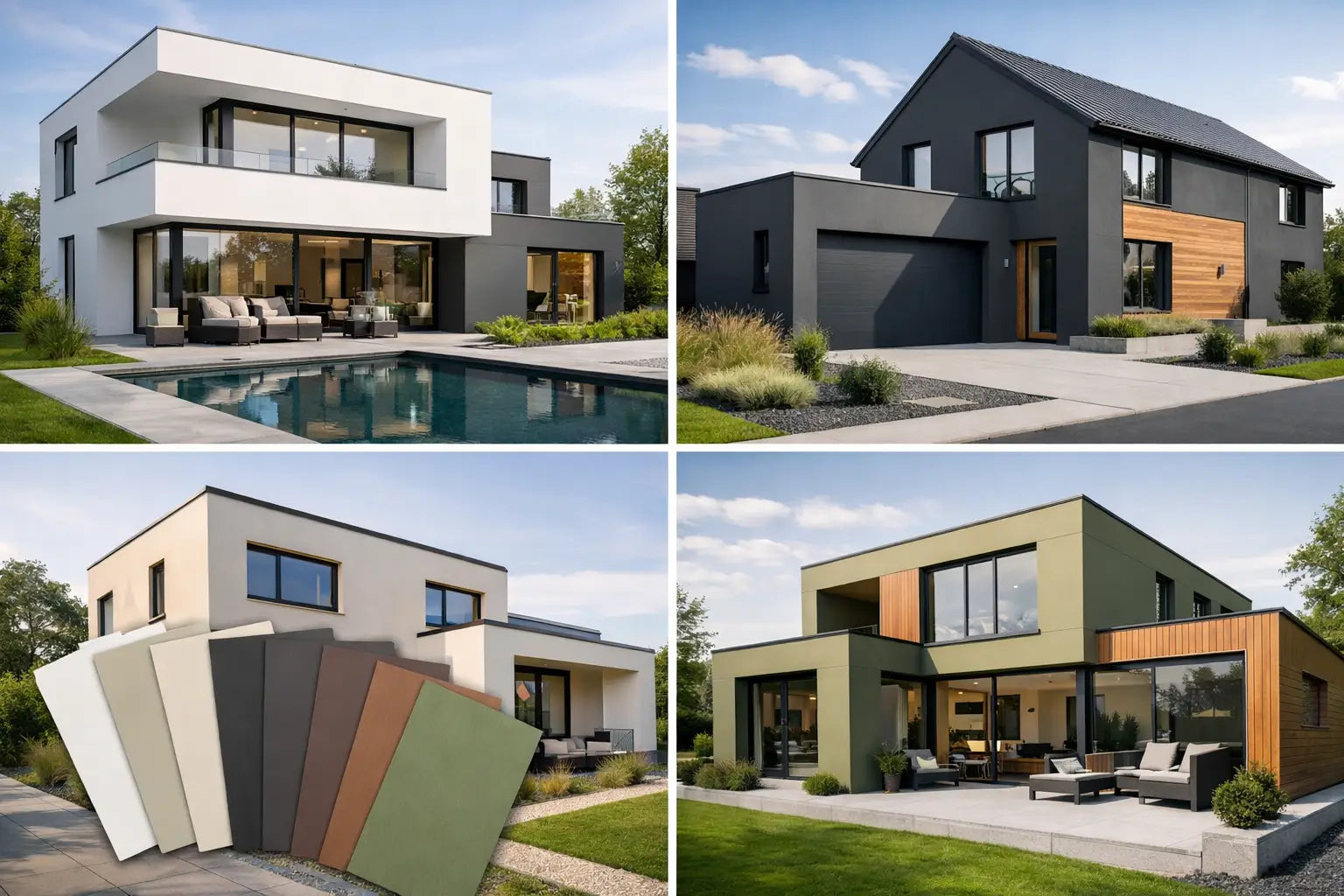
Ook de kleurkeuze speelt mee. Donkere composietdelen kunnen in direct zonlicht warmer worden dan lichte kleuren. In een zonnige staat als Florida, Texas, Arizona of California is een lichtere tint daarom vaak prettiger voor een deck dat veel op blote voeten wordt gebruikt. Donker blijft een stijlvolle optie, maar vraagt om een bewuste keuze voor de ligging van het project.
Tot slot bepaalt montage veel. Zelfs de beste composietplank presteert minder goed op een zwakke fundering, zonder ventilatie of met verkeerde bevestiging. Werk nauwkeurig met rechte onderregels, passende clips en voldoende afstand tot de grond. Voor grotere projecten, gevels of afwijkende situaties is het verstandig om een ervaren vakman mee te laten kijken.
Onderhoudsarm betekent niet onderhoudsvrij. Composiet vraagt weinig werk, maar regelmatig reinigen houdt het oppervlak verzorgd en voorkomt dat vuil zich ophoopt. Spoel een schutting, vlonder of gevel een paar keer per jaar af met water en gebruik bij hardnekkig vuil een zachte borstel met een milde reiniger die geschikt is voor composiet.
Vermijd agressieve oplosmiddelen, sterke schuurmiddelen en metalen borstels. Die kunnen de beschermende toplaag aantasten of krassen veroorzaken. Bij een vlonder is het verstandig om bladeren, modder en potgrond niet maandenlang te laten liggen, zeker niet in hoeken waar weinig zon en lucht komen. Zo beperkt u de kans op oppervlakkige aanslag en blijft de waterafvoer vrij.
Let ook op meubels en accessoires. Plaats bloembakken niet permanent zonder ruimte eronder en gebruik bij zware tuinmeubels bij voorkeur beschermers. Het gaat niet om voorzichtig leven in uw eigen tuin, maar om het voorkomen van langdurige drukplekken, ingesloten vocht en krassen door schuiven.
Composiet kan eerder slijten als het materiaal niet past bij de toepassing. Een lichte wandplank gebruiken als zwaar belopen deck is bijvoorbeeld geen goede basis voor een lange levensduur. Ook planken die continu in water staan, te dicht op de grond liggen of zonder ventilatie zijn gemonteerd, krijgen meer te verduren dan nodig is.
Mechanische schade is een tweede aandachtspunt. Een scherpe metalen meubelpoot, een barbecue die wordt verschoven of zwaar gereedschap dat valt, kan iedere buitenvloer beschadigen - ook composiet. Kleine gebruikssporen zijn normaal, maar structurele schade voorkomt u vooral door de juiste toepassing en zorgvuldig dagelijks gebruik.
Goedkope, dunne composietplanken kunnen op korte termijn aantrekkelijk lijken, maar leveren niet altijd dezelfde stabiliteit, kleurvastheid en afwerking als een degelijk systeem. Vergelijk daarom niet alleen de aanschafprijs. Kijk naar de totale opbouw, de garantievoorwaarden, de beschikbare accessoires en de geschiktheid voor uw project.
Bij aanschaf is composiet vaak duurder dan basis naaldhout. Over een periode van twintig jaar kan de vergelijking echter verschuiven. Hout vraagt meestal om terugkerend reinigen, behandelen en soms vervangen van beschadigde of rotte delen. Bij composiet blijven die onderhoudskosten en tijdsinvestering veel lager.
Daar komt de uitstraling bij. Een moderne composiet schutting of vlonder behoudt langer een consistente kleur en strakke lijn. Voor wie een woning opwaardeert, een onderhoudsarme tuin wil aanleggen of als vakman een betrouwbaar project wil opleveren, is dat directe waarde.
Kies daarom niet alleen voor een plank, maar voor een composietsysteem dat aansluit op de plek, belasting en gewenste uitstraling. Met de juiste voorbereiding blijft composiet jarenlang een sterke basis voor buiten wonen - zonder dat uw vrije weekend verdwijnt in onderhoud.